REVIEW · IBIZA
Ibiza old town Private Walking Tour with a Professional Guide
Book on Viator →Operated by Global Guide Services · Bookable on Viator
You can feel Ibiza’s past without digging through museum stacks. This private walking tour in Old Town strings together major landmarks and “how-it-changed” stories, from Phoenician roots to modern Ibiza, while keeping things flexible to your interests like art, music, shopping, and food. I especially like the sense of hidden gems away from crowds that your guide can steer you toward, and the way the route connects history to places you can actually point at. One consideration: the tour follows its planned stops closely, so if you want lots of side streets and freestyle wandering, bring your requests early.
You’ll spend about 2 hours walking through a compact world of churches, walls, and viewpoints, with breaks built in for shade when the weather is hot. I also like that this is a true private format—your guide is there for your group only—so you can ask questions and shift the focus without waiting on strangers. The possible drawback is price: at $423.66 per group (up to 15), it’s best when you’re a group that wants a guide, not just a solo stroll.
What makes this work well is the guide’s role as a storyteller and a fixer—helping you make sense of Ibosim’s layered history across changing rulers, plus practical recommendations for Old Town. I’ve seen guides like Shana and Kassia praised for keeping everyone engaged, including kids, and for pacing that doesn’t feel rushed. Still, double-check the meeting point details so your start is smooth, because one past experience flagged confusion at the meetup.
In This Review
- Quick reasons to book
- Price and logistics: what you’re really paying for
- Old Town on foot: the pace that makes the stories click
- Portal de ses Taules: the starting clue to Ibiza’s identity
- Church and convent area: how religion shaped the city
- Baluard de Santa Llúcia: defense, then views
- Museum of Contemporary Art: the modern side of Ibiza
- Església de Santa Maria de Gràcia: the layered look of faith
- Catedral de Santa María de Ibiza: the main landmark moment
- Castle of Ibiza and the baluards: power shifts you can walk through
- How the guide actually changes your experience (Shana, Kassia, and more)
- What you might miss if you’re expecting total freedom
- Weather and timing: heat is real, so plan for it
- Should this be your first Ibiza Old Town walk?
- Who this tour is best for (and who should rethink it)
- So, should you book this private Old Town walk?
- FAQ
- How long is the Ibiza Old Town private walking tour?
- How much does the tour cost?
- Is the tour private?
- What language is offered?
- What is included in the price?
- Are entrance fees included?
- Where does the tour start and end?
- What’s the cancellation policy?
Quick reasons to book
- Private, up-to-15 group format keeps the experience flexible and calmer than a big group walk
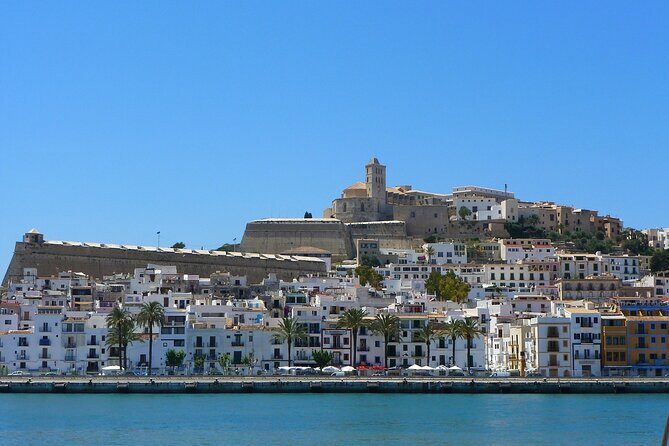
- A guided route with major anchors like the Cathedral, castle area, and multiple baluards
- History in “place order”: you move through time as the route moves across town
- Hidden corners away from the busiest streets depending on what your guide sees you enjoy
- Shade and heat-aware pacing can matter a lot in summer
- Art and culture stops show a more modern side of Ibiza, not just the party label
Price and logistics: what you’re really paying for
At $423.66 per group (up to 15), this isn’t a “cheap and cheerful” tour. It’s a guided walking session where the value is the professional guide plus the fact that you can steer the day: art interests, music, shopping, dining, or just more time understanding the architecture.
If you’re traveling as a small group, the cost can still feel fair when you compare it to paying for multiple individual services. The key is to use the guide smartly. Go in with 2–3 priorities (for example, history first, then viewpoint photos, then a good place to eat) and expect your guide to help you shape the walk on the spot.
Logistics are straightforward on paper: the tour starts at Mercat Vell, at Plaça de la Constitució, 18, and it ends back at the meeting point. You’ll also get a mobile ticket, confirmation at booking, and service animals are allowed. One practical thing: the tour is near public transportation, which helps if you’re mixing it with beach time later.
Other Ibiza Town and Old Town tours we've reviewed in Ibiza



Old Town on foot: the pace that makes the stories click
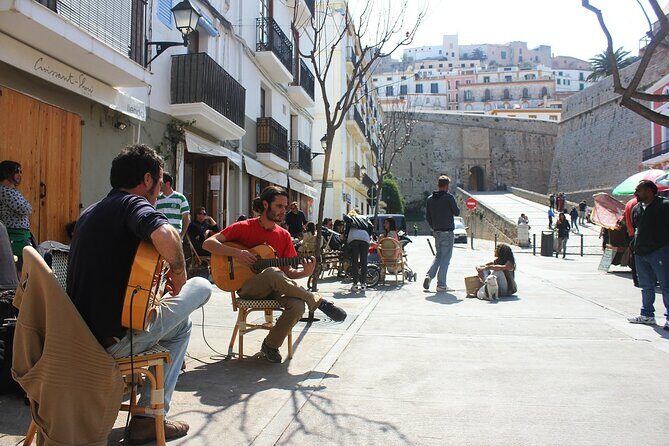
Ibiza Old Town isn’t huge, but it’s layered. Streets twist, walls rise, and religious buildings sit close together—so seeing it at walking speed helps you connect the dots. A private guide matters here because they can explain why one doorway matters, why a church is where it is, and how the city’s identity shifted over centuries.
The walking time is listed as about 2 hours, but you should plan as if it may stretch a bit based on pace, questions, and heat. In past experiences, starting early helped people get quieter streets and move through comfortably. If your schedule allows an earlier departure, it can make a big difference.
This is also a good format when you’re not trying to “win” tourism by hitting everything. You’ll likely feel more confident walking the area afterward, because you’ll leave with a mental map: portals, churches, defensive walls, and the castle zone all start to make sense in relation to each other.
Portal de ses Taules: the starting clue to Ibiza’s identity
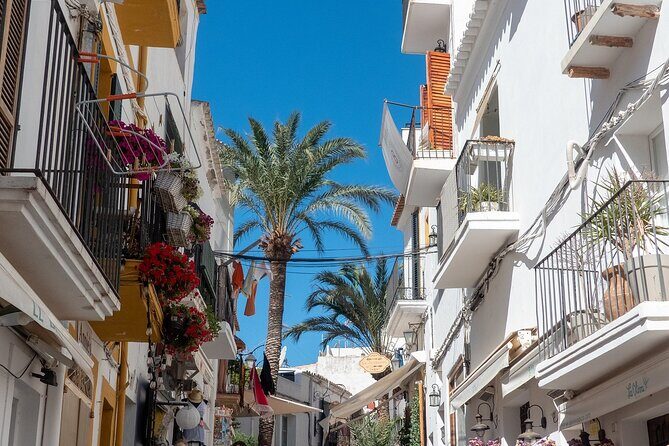
The tour begins at Portal de ses Taules, which works like a reading-the-page hook. Portals and entry points aren’t just pretty. They signal how a settlement controlled movement, defended itself, and defined who belonged inside the walls.
From the start, your guide sets the timeline: the earliest foundations tied to the Phoenicians, then the later Carthaginian influence. This matters because Ibiza’s “many eras” aren’t random stops—they’re layers that can overlap in architecture and layout. If you like history that explains why buildings look the way they do, this first section is where the tour earns its keep.
Drawback to keep in mind: if you’re expecting a wide-open “wander anywhere” style from minute one, a structured opening can feel tight. But it’s also the fastest way to get the big picture before you go deeper.
Church and convent area: how religion shaped the city
Next comes the Iglesia del Convento de San Vicente y San Jaime. Churches in Ibiza Old Town often act like historical markers because they reflect shifts in rulers and beliefs. Your guide’s job here is to connect architecture and location to political change—so you’re not just looking at a façade, you’re learning what kind of power lived here and when.
As you move along, the tour also touches the idea of successive rule: Roman Punic Wars and occupation, Visigothic invasions, and Byzantine control. These aren’t just dates; they explain why certain styles and city priorities show up when they do.
A practical plus: this area is a strong “people-watching plus learning” zone. If you want moments to pause and ask questions, this section is usually cooperative for it.
Baluard de Santa Llúcia: defense, then views
The walk climbs toward Baluard de Santa Llúcia. Baluards (fortified bastions) turn the city into a kind of living textbook. From elevated points, your guide can show how the island’s geography and past conflicts shaped where defenses were placed.
This is where the tour’s “pirates and wars” thread becomes more real. You’ll hear about the pirates of Eivissa and later conflicts like wars with France and the Ottoman Empire. Even if you don’t love military history, the views help you understand why walls were necessary in the first place.
Because it can be hot, look for how your guide manages shade and pauses. One reason people praise this tour is that it doesn’t bulldoze forward when the weather is punishing.
Other walking tours we've reviewed in Ibiza



Museum of Contemporary Art: the modern side of Ibiza
The itinerary includes the Museum of Contemporary Art. This is an important pivot because Ibiza gets reduced to one story way too often. A contemporary art stop pushes you to see the island as a cultural place right now, not only as a past timeline.
This stop also gives you a break from walking and sun. Even if you don’t spend ages inside, it’s useful because it reframes your thinking: Ibiza isn’t only an old fortress town; it’s also a place where modern creativity has room to breathe.
If art isn’t your thing, treat this as a “reset” stop. It can help you return to the next monuments with fresh energy.
Església de Santa Maria de Gràcia: the layered look of faith
After the museum, you’ll visit Església de Santa Maria de Gràcia. Churches like this are often where you start noticing how Christian conquest and later Catalan influence changed the city after Arab conquest periods.
Your guide can connect those big turning points to what you’re seeing around you. That’s the value of the tour’s structure: it keeps the story moving forward, instead of dumping a history lecture and hoping you remember it.
This is also a nice stop if you like photography that isn’t just skyline shots. Expect strong architectural lines and details, plus a chance to slow down for a few minutes.
Catedral de Santa María de Ibiza: the main landmark moment
The route continues to Catedral de Santa María de Ibiza, one of the anchors people recognize once they’re there. It’s not just impressive to look at; it gives your guide a perfect stage to explain the later “arrival of the Catalans” and the Christian consolidation after earlier occupations.
This is the point where the timeline often feels most coherent. Earlier stops set up the shifting rulers; now you’re seeing the result in a major, central religious building. If your goal is to leave with clarity—how the island became what it is—this cathedral area is one of the best bets on the walk.
Practical tip: wear comfortable shoes. Even when the walk is short, Old Town surfaces can add up quickly.
Castle of Ibiza and the baluards: power shifts you can walk through
The itinerary reaches the Castle of Ibiza, then loops through several baluards: Baluard de Sant Bernat, Baluard de Sant Jaume, and finally Baluard de Sant Pere (Portal Nou).
This is the “big perspective” stretch. Castles and fortifications sit at the strategic center of older cities because whoever controlled the heights controlled the story. Here’s where you’ll hear the themes of conquest and defense, from earlier rule changes through later conflicts, including the wars that shaped European power dynamics.
Why the multiple baluards matter: you’re not just ticking off views. Each bastion helps you compare how the defensive line wraps the city. Your guide can point out how the layout relates to earlier threats, then connect it to what’s happening in the modern town below.
Portal Nou (at the end of the baluard segment) also lands like a final sentence. It brings you back toward the town’s entry and exit logic—an ending that feels like closure rather than just returning to where you started.
How the guide actually changes your experience (Shana, Kassia, and more)
The strongest praise across experiences isn’t about the monuments alone—it’s about the guides. Names like Shana and Kassia come up for a reason: they helped people connect history to real places, kept pacing friendly, and even offered recommendations around Old Town and the broader island.
What you should do is treat the first 10 minutes like a negotiation. Tell your guide what you want most:
- more architecture and history detail, or
- more atmosphere and street life, or
- time for art stops and photo viewpoints.
Because it’s private, your guide can adjust on the spot—within the tour’s planned structure. One past note pointed out that the guide followed the booked itinerary closely, so if you want extra local areas, you’ll need to ask clearly and early. If you do, you’ll usually get a more satisfying match.
Also, if you’re traveling with kids, expect a more story-driven approach. One experience highlighted that families felt included, not managed.
What you might miss if you’re expecting total freedom
A private tour doesn’t automatically mean free-for-all wandering. This walk is built around specific highlights and a historical path, so you won’t get a random “go wherever” day unless you negotiate it with your guide.
That’s not a dealbreaker; it can actually be the right choice. A structured route helps you avoid the common problem of staring at buildings without understanding why they matter. But it does mean you should go in with an open mind.
If you’re the type who wants to hop between cafés, shops, and side streets constantly, consider planning extra time before or after this tour for your own exploring. This is best as the part of your day that gives you the map and the context.
Weather and timing: heat is real, so plan for it
Ibiza can get hot fast. The good news is that the route is designed to include stops and pauses, and you can expect your guide to look for shady points along the way. If you’re arriving mid-day, build in water and a plan for sun protection.
Timing can also affect crowd levels. Some departures have worked well with early starts, which helps you enjoy quieter streets. Even if you can’t go early, your guide’s choice of “away from crowds” corners can help the experience feel smoother than a standard sightseeing loop.
Should this be your first Ibiza Old Town walk?
If it’s your first time in Ibiza Old Town, yes, it’s a strong way to get your bearings. The tour connects the big named landmarks—Portal de ses Taules, key churches, the museum, the cathedral, the castle zone, and multiple baluards—into a coherent story.
It’s also a great “non-party” option when you want more than nightlife. The inclusion of the contemporary art museum helps you see the island’s culture as something alive, not just staged for photos.
If you already know the basics and you’re mostly in “let’s wander for vibes” mode, you might not need a guide. In that case, you could spend your time on independent exploring and spend money only if you find specific workshops or targeted experiences.
Who this tour is best for (and who should rethink it)
You’ll get the most from this tour if you:
- want a private guide to explain the timeline across Phoenicians to modern Ibiza,
- enjoy walking enough to see the city’s defensive layout,
- want culture that includes both historic landmarks and contemporary art, and
- like having suggestions for where to go next.
You might rethink it if you want a fully improvisational day without a set route, or if your group expects lots of entrance-ticket time (entrance fees are not included). Also, if you dislike paying for a guide when you’re perfectly happy reading signs and wandering alone, this may feel expensive.
So, should you book this private Old Town walk?
I’d book it if you want an Old Town orientation that turns stone and streets into a story. The best value comes from using the private format: ask for what you care about, request a slightly different focus if you want art or food time, and treat the guide as your local lens.
I’d skip or adjust expectations if your goal is pure free time with no structure. This isn’t that kind of tour. It’s a guided route with a strong historical backbone, plus flexibility inside that framework.
If you decide to go, do two simple things: confirm the exact meeting spot details so you start smoothly, and come with 2–3 priorities. Then you’ll get a tour that feels like more than a checklist—more like a confident walk through how Ibiza became Ibiza.
FAQ
How long is the Ibiza Old Town private walking tour?
The tour is listed at about 2 hours.
How much does the tour cost?
It costs $423.66 per group, for up to 15 people.
Is the tour private?
Yes. It’s a private tour, and only your group participates.
What language is offered?
The tour is offered in English.
What is included in the price?
A local guide is included, along with the private guided tour. You can also customize on the spot.
Are entrance fees included?
No. Entrance fees are not included.
Where does the tour start and end?
It starts at Mercat Vell, Plaça de la Constitució, 18, 07800 Eivissa, and ends back at the meeting point.
What’s the cancellation policy?
You can cancel for a full refund up to 24 hours in advance. Changes within 24 hours of the start aren’t accepted.